

Casino games can generally be divided into two categories: skill-based and chance-based, each offering a distinct type of excitement and challenge. Skill-based games rely on strategy, decision-making, and experience, rewarding players who can consistently make smart choices. Chance-based games, on the other hand, depend largely on luck, with outcomes determined by random number generators or spinning reels. Platforms offering a variety of options provide players with opportunities to engage in both types of gameplay, catering to different preferences and play styles. This article explores the key differences between skill and chance games and how understanding these distinctions can enhance a player’s approach and enjoyment.
The Role of Probability in Chance-Based Games
In chance-based casino games, probability determines the likelihood of specific outcomes. Some games from yono rummy perfectly illustrate this probability. These games are designed so that each round is independent, ensuring that prior results do not influence future outcomes. Random Number Generators in digital versions or mechanical randomness in physical games create unpredictability, which is the foundation of their appeal. Players cannot reliably predict outcomes, and strategies primarily focus on managing wagers rather than controlling outcomes. Chance-based games are often chosen by individuals who enjoy suspense, quick results, and the thrill of unpredictability rather than relying on skill or analysis.
The Influence of Strategy in Skill-Based Games
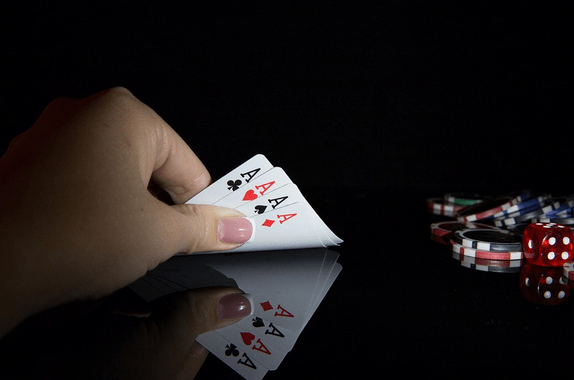
Skill-based games allow players to leverage knowledge and decision-making to affect results. In blackjack, for example, understanding probabilities, memorizing basic strategies, and making informed choices can reduce the house edge and improve winning potential. Poker requires reading opponents, bluffing, and calculating odds to succeed. Skill-based games create a competitive environment where performance improves with experience and practice, giving players a sense of control and achievement. The presence of strategy introduces variability in outcomes, making these games appealing to those who enjoy active participation and cognitive challenge.
Impact on Player Experience and Engagement
The type of game significantly influences how players experience casino entertainment. Chance-based games often create rapid, high-intensity experiences that rely on luck, providing excitement through unpredictability. Skill-based games engage players cognitively and socially, requiring analysis, decision-making, and sometimes interaction with other participants. This distinction affects emotional responses and engagement levels, as chance-based games focus on thrill and suspense, whereas skill-based games emphasize mastery, control, and strategic thinking. Player preferences often depend on which type of experience aligns with their interests and personality.
Implications for Casino Design and Regulation

The distinction between skill-based and chance-based games also influences casino operations and regulations. Skill-based games may have lower house edges and rely on player competence, while chance-based games guarantee consistent returns for operators due to statistical probabilities. Regulators often categorize games differently, setting rules regarding age limits, betting structures, and payout rates based on the element of skill or chance involved. For casino designers, offering a mix of both types of games caters to diverse player interests, enhancing engagement and broadening appeal.
Skill-based and chance-based casino games offer distinct experiences shaped by strategy, probability, and player influence. Chance-based games prioritize unpredictability and rapid outcomes, while skill-based games reward knowledge, decision-making, and strategic thinking. Understanding these differences helps players select games that suit their preferences and risk tolerance. For casinos, offering a balance of both types of games enhances player satisfaction and ensures a diverse range of entertainment options. The interplay between skill and chance remains central to the dynamics of modern casino gaming.